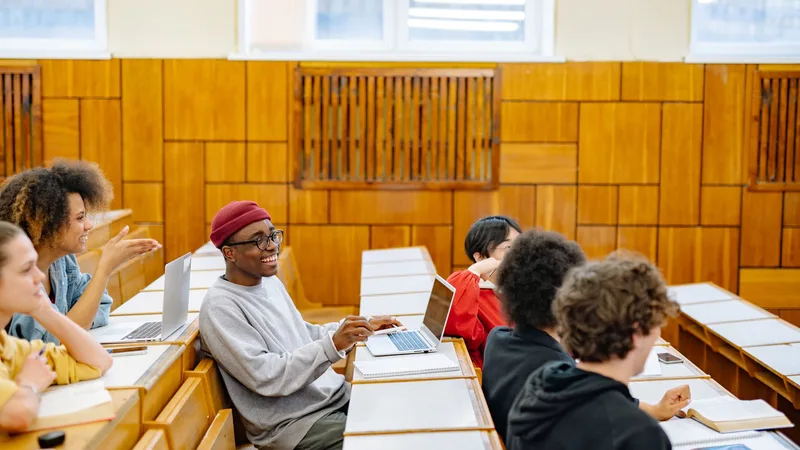
Higher education assessment plays a crucial role in shaping the future of students and institutions. It involves evaluating student performance, curriculum effectiveness, and overall educational outcomes to ensure that learners are prepared for success in their chosen fields
As we explore various methods and strategies for effective assessment, consider how these practices impact the engagement and retention of learners. Understanding these dynamics can also illuminate trends in areas such as digital environments, where assessment principles are applicable.
Effective Assessment Strategies for Diverse Learning Environments
In Higher Education Assessment, understanding the diverse needs of students is essential. Each learner brings unique strengths, weaknesses, and learning styles to the classroom. Effective assessment strategies should evaluate knowledge while accommodating these differences. Customizing assessment techniques enables educators to create a more inclusive environment that fosters student success. By considering individual capabilities and preferences, assessments can be more fair and effective.
One way to achieve this is through a variety of assessment formats. Implementing diverse methods allows you to cater to different learning styles. This can include traditional exams, project-based assessments, and peer evaluations. Using a multi-faceted approach enriches the learning experience and provides a comprehensive view of student understanding and progress.
Tailoring Assessments to Student Needs
To customize assessments effectively, start by identifying the unique needs of your students. This involves gathering data through surveys or informal discussions. Once you have insights into their learning preferences, you can adjust your assessment methods accordingly. For instance, some students might excel in oral presentations while others may prefer written reports. By offering choices, you empower students and enhance their engagement with the material
Utilizing Technology for Enhanced Feedback
Incorporating technology into assessment processes can streamline feedback and improve student outcomes. Digital tools such as online quizzes and grading software allow for immediate feedback, which is essential for student growth. These platforms can also facilitate interactive assessments that keep students engaged. Analyzing data from these tools can help identify trends in student performance, guiding further customization of assessments. This approach saves time and enriches the learning experience.
Innovative Approaches to Student Engagement
Engagement in learning is vital for student success. Innovative approaches to fostering participation can significantly enhance the educational experience. By implementing active learning techniques, educators can create a stimulating environment that encourages students to take charge of their learning. Engaged students are more likely to retain information and develop critical thinking skills, which are essential in a rapidly changing environment. Incorporating varied methods ensures that learning remains dynamic and responsive to student needs.
Consider integrating collaborative projects, discussions, and hands-on activities into your curriculum. These strategies prompt students to actively participate and share their perspectives. Additionally, providing opportunities for student-led initiatives fosters a sense of ownership over their learning. 📝 This enriches their educational experience and prepares them for real-world collaboration.
Active Learning Techniques
Active learning techniques are designed to promote student participation and engagement. Methods such as group discussions, role-playing, and problem-solving exercises encourage students to apply their knowledge in practical scenarios. These techniques foster critical thinking and collaboration among peers. Implementing these strategies can lead to a more interactive classroom environment, making learning enjoyable and effective.
Incorporating Gamification in Learning
Gamification involves integrating game elements into educational activities to enhance motivation. This approach can make learning more enjoyable and encourage friendly competition among students. For example, using point systems, badges, or leaderboards can incentivize participation and effort. By incorporating these elements, you can create a more engaging curriculum that resonates with learners drawn to interactive experiences
Navigating Higher Education Assessment for Today's Learners
Higher education assessment is constantly evolving, driven by the need to meet the diverse demands of learners. As institutions aim to provide relevant and effective evaluation tools, staying informed about the latest assessment trends is crucial. These trends influence how educators measure student performance and adapt to new learning environments and technologies.
Understanding these trends can help educators design assessments more aligned with student needs. For example, the shift towards competency-based assessments allows students to demonstrate their knowledge in practical contexts. This approach enhances learning outcomes and prepares students for real-world challenges.
Assessment Trends Shaping Higher Education
Current trends in higher education assessment highlight a movement towards greater personalization and inclusivity. Institutions increasingly adopt formative assessments that provide ongoing feedback, allowing students to improve continuously. Additionally, there’s growing emphasis on integrating technology into assessments, such as online testing and digital portfolios. These innovations facilitate a more engaging and interactive experience for learners, making assessments more relevant to their educational journey.
The Role of Data in Decision-Making
Data analytics plays a pivotal role in enhancing assessment outcomes in higher education. By analyzing student performance data, educators can identify trends and areas requiring improvement. This data-driven approach enables institutions to make informed decisions about curriculum development and resource allocation. Moreover, leveraging data can help tailor assessments to meet the unique needs of different student populations, fostering an environment where all learners can thrive.
The Intersection of Education and Digital Wagering Sites
The connection between education and digital wagering sites may not seem obvious at first, but both fields share common strategies that can enhance user experiences. Just as educational institutions strive to engage students, digital gambling platforms focus on retaining players through various engagement techniques. Understanding these strategies can provide insights into how both sectors can learn from each other.
Both fields utilize data analytics to understand user behavior. This allows them to tailor experiences that keep users coming back. By examining the similarities in engagement techniques, educators can adopt innovative strategies that enhance learning and retention in their programs.
Learning from the iGaming Industry
The iGaming industry employs effective educational strategies that can be adapted for learning environments. For instance, gamification—applying game-like elements to non-game contexts—has proven successful in both sectors. By incorporating elements such as rewards, challenges, and leaderboards, educators can create a more stimulating learning atmosphere. This approach motivates students and fosters a sense of community and competition, similar to that found in online gaming.
Engagement Techniques in Casino Entertainment
Casino entertainment relies heavily on user engagement techniques that can also benefit higher education. Strategies such as personalized recommendations, interactive content, and social sharing are prevalent in both fields. Implementing these techniques can enhance student interaction and participation. For example, consider using interactive quizzes or collaborative projects that encourage peer-to-peer learning. 🎓 This makes learning enjoyable and builds a supportive educational community.
Future Directions in Assessment and Entertainment
As we explore Higher Education Assessment, looking ahead at how emerging technologies will shape how we measure learning outcomes is crucial. Innovations such as artificial intelligence, virtual reality, and adaptive learning platforms are poised to transform traditional assessment methods. These advancements could lead to more personalized and engaging evaluation experiences for students, allowing educators to gain deeper insights into individual learning paths and areas for improvement.
Integrating technology can streamline the assessment process, making it more efficient and accessible. Students today are accustomed to digital environments, and assessments that leverage these technologies can enhance their motivation and engagement. By embracing these future trends, educators can create a more dynamic and responsive assessment framework that aligns with the needs of learners.
Emerging Technologies in Education
The future of educational assessment will be influenced by several key technologies. Here are a few to keep an eye on:
- Artificial Intelligence: AI can provide real-time feedback and tailor assessments to individual student needs.
- Virtual Reality: VR can create immersive assessment environments that simulate real-world scenarios.
- Blockchain: This technology can enhance the security and transparency of credential verification.
- Data Analytics: Analyzing learning data can help educators identify trends and improve teaching strategies.
Lessons from Casino Experiences for Educational Engagement
Casino entertainment offers insights that can enhance educational engagement. The principles of gamification, for instance, are widely used in casinos to create a thrilling experience that keeps players returning. By incorporating elements such as rewards, challenges, and interactive experiences into assessments, educators can foster a similar sense of excitement and commitment among students. This approach can make learning feel less like a chore and more like a game, which is particularly important for maintaining student interest and motivation.
For example, a study found that students who participated in gamified assessments showed a 20% increase in engagement compared to traditional methods.
By learning from the strategies employed in the casino industry, educators can create more compelling assessment experiences that evaluate student performance and encourage a lifelong love of learning. This blend of education and entertainment could pave the way for innovative approaches to both assessment and engagement in the classroom.